GUIDE TO COOKING FAT
Korir Cherinyit
Tuesday, 18 August 2026
GUIDE TO COOKING FATS 🧈
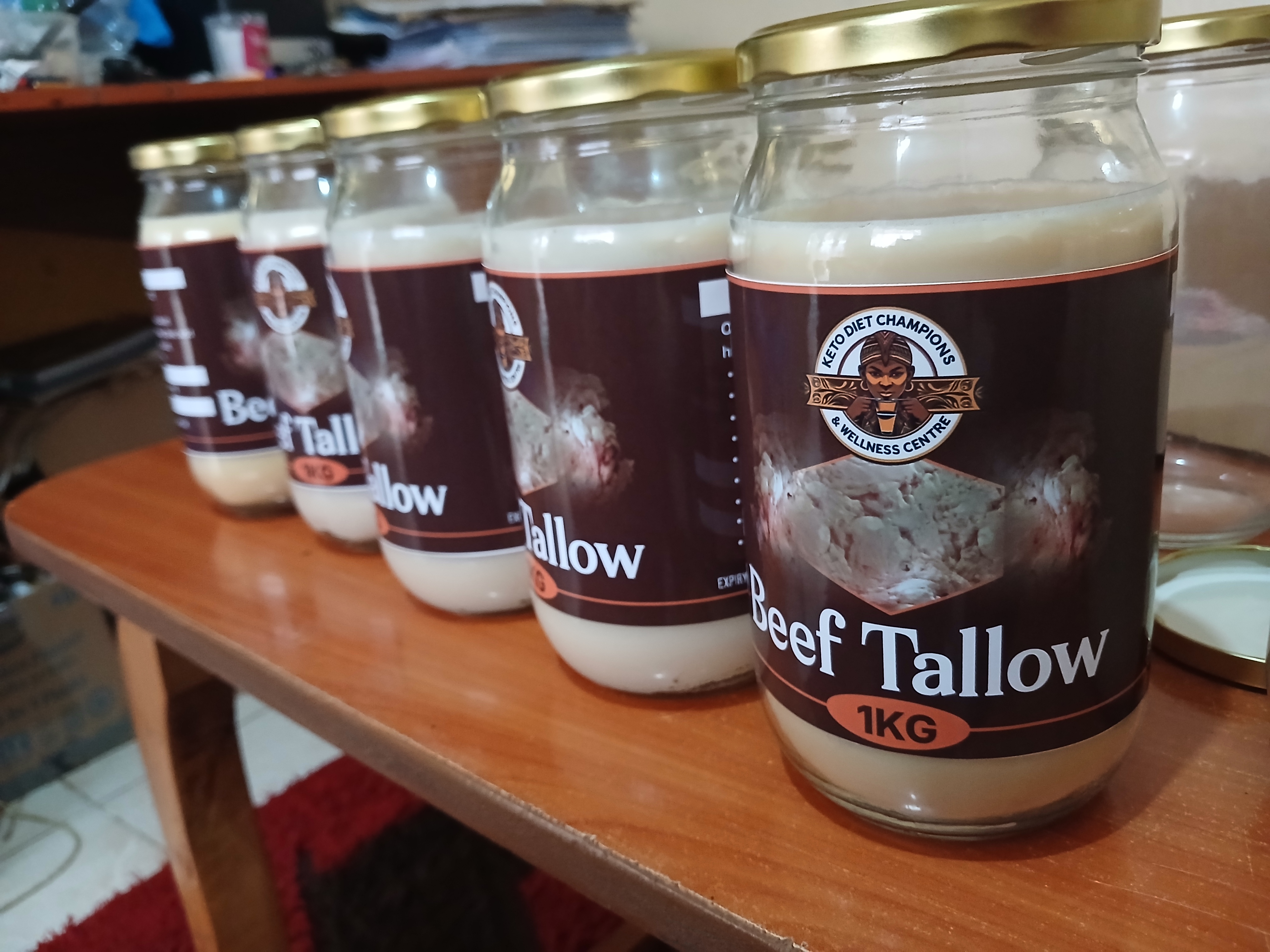
Cooking fat is not just an ingredient—it is part of the foundation of an ancestral kitchen. Choose whole, recognisable fats from animals and traditional foods, then match them to the cooking method.
Cornerstone ancestral fats
Supporting fats
Match fat to the meal
| Cooking method | Best fat choices |
|---|---|
| High-heat frying and searing | Beef tallow, sheep-tail fat, ghee |
| Roasting meat and vegetables | Tallow, sheep-tail fat, ghee, lard |
| Eggs and indigenous vegetables | Ghee, butter, tallow |
| Baking | Butter, ghee, lard, coconut oil |
| Salad dressing and finishing | Extra-virgin olive oil |
| Stews and soups | Tallow, sheep-tail fat, butter, ghee |
What to avoid
Avoid industrial seed oils completely. This includes heavily refined cooking oils such as sunflower, soybean, canola, corn, cottonseed, safflower, and blended “vegetable oils.” Also avoid margarine and heavily processed shortening.
Simple ancestral rule: Build your kitchen around beef tallow, sheep-tail fat, ghee, and butter. Let the supporting fats serve a clear purpose, rather than allowing industrial oils to become the daily default.
Be Well,
Cherinyit®
Ancestral Healing & Ketogenic Diet Practitioner
Founder, Keto Diet Champions & Wellness Centre
Ready to Start?
Book a consultation today
Take the first step toward your health transformation with a KSh 300 consultation.
Book Now →