Genetics or Environment?
Today, we often confuse the presence of a diagnosis or a laboratory marker with the presence of true pathology.
Korir Cherinyit
Saturday, 4 July 2026
Environment Rules Everything: Why African Health Is Broken by Mismatch
For generations, African people lived by protocols forged in the rhythms of the land, seasons, survival, movement, rest, and community. We ate what the earth and animals provided—real foods, timed with hunger and activity, never engineered for addiction. Movement was life itself. Rest aligned with the sun. Purpose and belonging steadied the spirit. In that world, the chronic plagues of today—obesity, diabetes, autoimmunity, heart disease, fatty liver—were rare burdens, not inevitable fates. Our grandparents thrived without them. The genes were largely the same. The only thing that changed was the environment.
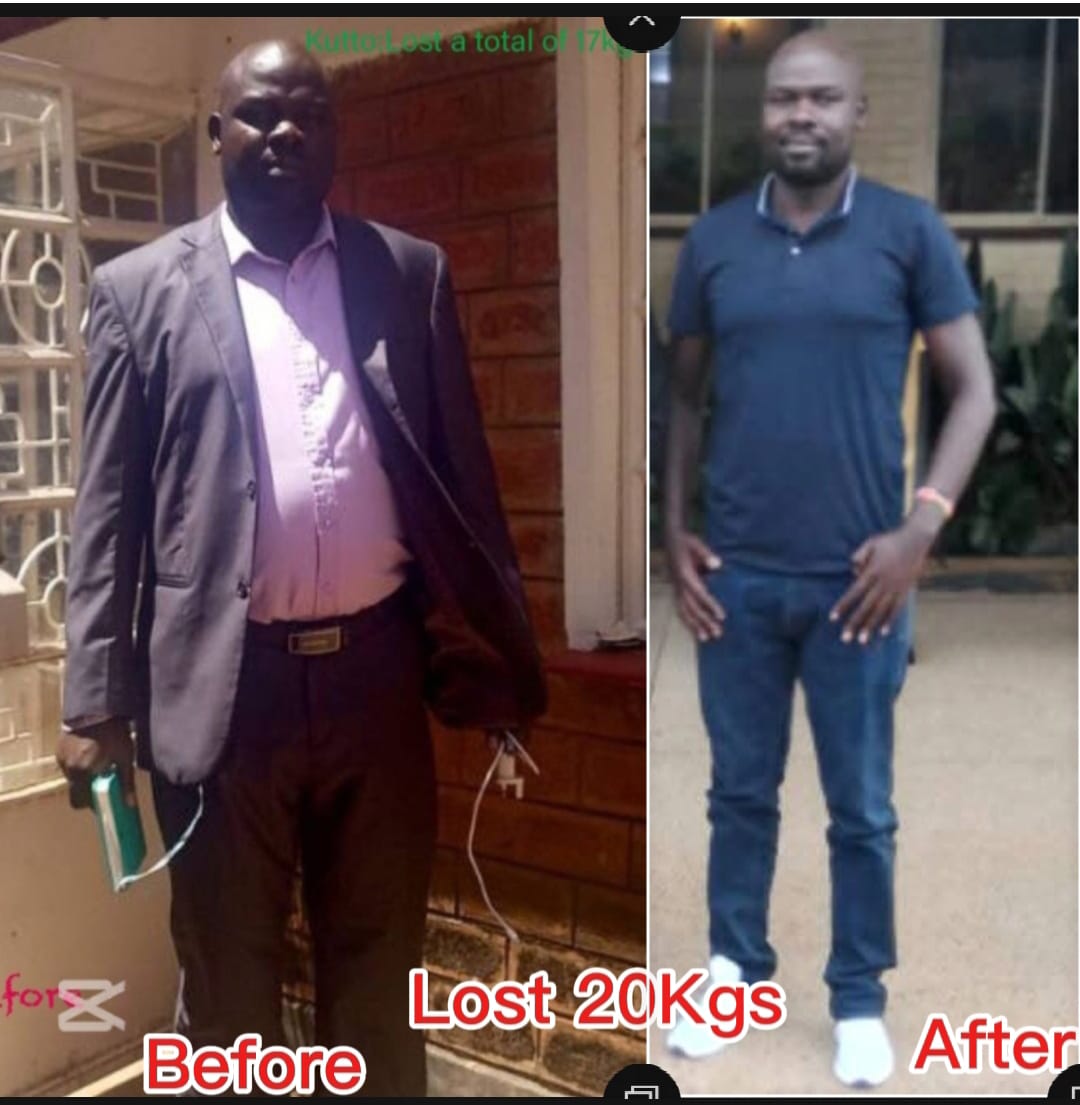
This is the brutal truth modern medicine, Big Pharma, and even longevity hackers too often obscure: environment dominates. Genes load the gun, but environment pulls the trigger—or keeps it holstered. I have seen it firsthand through African ancestral-keto protocols. Parents burdened by obesity and diabetes watched their children develop the same conditions—until ancestral dietary restoration reversed the trajectory. Blood sugars normalized. Weight stabilized. Energy and metabolic health returned. Not through pharmaceuticals or synthetic interventions, but by realigning the daily environment with ancestral design. This is repeatable, observable reality.
The Real Problem: Diagnosis Without Context
Today, we often confuse the presence of a diagnosis or a laboratory marker with the presence of true pathology. That is a dangerous mistake in the opposite direction as well. A label alone does not automatically mean disease. Findings only become meaningful when interpreted alongside symptoms, daily function, history, progression, and overall vitality. The real issue is not simply whether a marker exists, but whether it reflects an active problem that is actually affecting the body in a clinically relevant way.
Yet the modern world pushes people toward fear-driven interpretation of every test result. A marker may be elevated, a scan may show a change, or a panel may register a signal, and immediately the mind is pushed toward panic. That is not wisdom. Sensitivity is useful, but sensitivity without context can mislead. The mature question is not, “Is anything detectable?” but “What does this mean in the life of this person, at this moment, and over time?”
The Bryan Johnson case stands as a stark, high-profile warning. Despite spending millions on the most extreme optimization—Blueprint protocols, relentless testing, over 100 supplements daily, rapamycin, plasma exchanges, gene therapy, and hyper-controlled vegan calorie restriction—he developed autoimmune gastritis (AIG), linked to his long-standing hypothyroidism diagnosed at age 21. This was uncovered through vigilant labs and deeper investigation rather than overt symptoms. The process likely originated in earlier environmental insults: poor childhood diet heavy in sugars and processed foods, business stress, depression, weight gain, and sleep deprivation. Even with later near-perfect measurement and intervention, the immune dysregulation progressed from that compromised foundation. His story proves that no amount of modern hacking can fully erase prior environmental damage. Detection via sensitive tests highlighted the issue early, but it also underscores the limits: optimization after the fact is repair, not prevention of the root mismatch.
Lab Ranges Are Not Universal
Compounding the problem, standard lab reference ranges are calibrated to sick Western populations consuming the standard Western diet. They are not universal truths. Someone thriving on an African ancestral-keto protocol—nutrient-dense, low-glycemic, anti-inflammatory eating aligned with traditional patterns—may exhibit different “normal” values without any sickness or pathology. Blood pressure, HbA1c, uric acid, cholesterol fractions, or inflammatory markers can sit outside conventional ranges yet reflect superior metabolic flexibility, fat adaptation, and resilience. What Western medicine might flag as concerning could be optimal adaptation in an ancestral context. This mismatch between population norms and individualized, environment-shaped physiology leads to over-diagnosis and unnecessary intervention. Ancestral wisdom prioritizes how one feels, functions, and sustains vitality over rigid lab cutoffs derived from diseased averages.
That said, context still matters. Not every unusual result should be dismissed, and not every “normal” result guarantees health. Some abnormalities do represent genuine risk, especially when they are persistent, progressive, or paired with symptoms. The point is not to ignore tests. The point is to stop worshipping them. Tests are tools, not masters.
Why Our Grandparents Escaped the NCD Epidemic
Our grandparents were not genetically superior. They lived in environments aligned with human biology: whole, seasonal foods; constant natural movement; strong circadian rhythms; rich microbial diversity; and minimal chronic inflammation. Non-communicable diseases exploded only after Westernized diets, sedentary lifestyles, industrial seed oils, refined sugars, and pollutants arrived. The same genes, radically different inputs—catastrophic mismatch.
This environmental dominance explains the success of ancestral-keto restoration. By removing the drivers of inflammation and metabolic chaos, the body remembers its design. Epigenetics shift. The microbiome heals. Offspring escape parental legacies because environment reprograms what genes merely permit.
And let this be said clearly: the environment does not only influence genes temporarily; over time, it changes genetic expression and can shape what gets switched on, switched off, and carried forward. That is why the same people can become healthier, stronger, and more resilient when they return to ancestral living. The body responds to what it is repeatedly given.
Reclaiming Authority: Feel, Function, and Ancestral Environment First
I am agnostic to personal choices but insistent on unvarnished truth. Do not mistake lab perfection for health. Feeling well, moving powerfully, sleeping deeply, digesting robustly, and maintaining clear vitality remain the ancestral gold standard. Tests are tools—useful for trends in proper context, treacherous when they pathologize adaptation or create dependency. Subclinical findings expose the gap modern life creates, but they do not override lived experience or ancestral-aligned living.
The solution is not more sensors, billion-dollar protocols, or chasing every marker. It is brutal honesty and courageous return to ancestral patterns: real foods eaten in rhythm with the body and land; daily movement in nature; sun-aligned rest; community and purpose. My African ancestral-keto protocols have reversed familial metabolic ruin precisely because they recreate these protective conditions. Bryan Johnson's journey, for all its resources, reinforces the same lesson—late-stage optimization cannot fully compensate for earlier environmental betrayal.
Grandparents' low disease burden was no accident. It was environmental mastery. We can reclaim it. The genes are the same. The power to change the dominant variable—our daily environment—has always been ours. Ignore the noise of over-medicalization. Honor what ancestors proved across unbroken generations: align environment with nature, and authentic health follows. This is the authoritative path. Anything less is slow surrender to mismatch.
The brutal truth endures: we are not victims of our genes. We are stewards of our environment. Choose wisely. Live ancestrally. Thrive.
Frequently Asked Questions
Q1: Don’t genes determine my health?
No. Genes influence risk, but environment determines whether that risk is expressed. Food, sleep, stress, movement, toxins, and circadian rhythm shape how the body responds every day.
Q2: If my parents had diabetes or obesity, am I destined to get it too?
No. Family history increases risk, but it does not write your fate. Many people with strong family history avoid the same illness by changing their environment early and consistently.
Q3: What about people who say they have “bad genes”?
That phrase often becomes an excuse for a mismatched lifestyle. Genes are not the final word; they are part of the picture, and the daily environment usually has the louder voice.
Q4: Can diet really override genetics?
Diet cannot erase every genetic condition, but for most chronic lifestyle diseases it can dramatically change outcomes. An ancestral, low-processed-carb way of eating often reduces the triggers that activate disease.
Q5: Are there health problems that are truly genetic?
Yes, some conditions are strongly genetic and need medical care. But most modern chronic illnesses are influenced by environment far more than people realize, which means prevention still matters.
Q6: What should I do if I have a strong family history of disease?
Start with the basics: remove ultra-processed foods, move daily, sleep properly, and track simple health markers over time. That is where real prevention begins.
Q7: What is the main lesson here?
Genes may load the gun, but environment pulls the trigger. Change the environment, and you change the odds.
Be Well,
Cherinyit
Ancestral Healing & Ketogenic Diet Practitioner
Keto Diet Champions & Wellness Centre
app.ketodietchampions.co.ke
Ready to Start?
Book a consultation today
Take the first step toward your health transformation with a KSh 300 consultation.
Book Now →